

Types of Load Banks
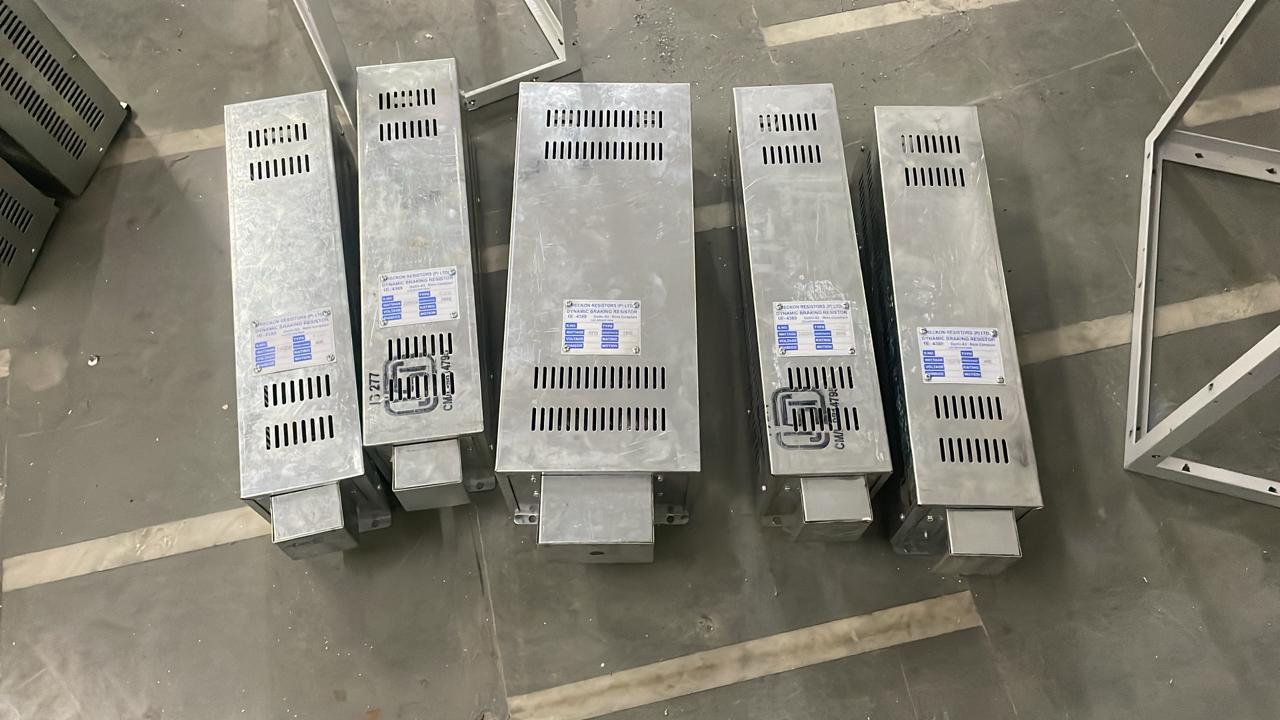
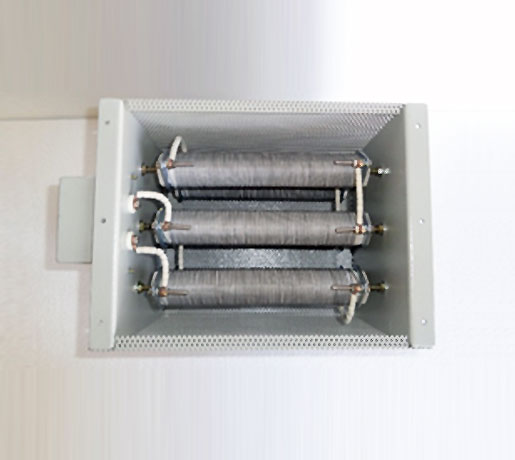
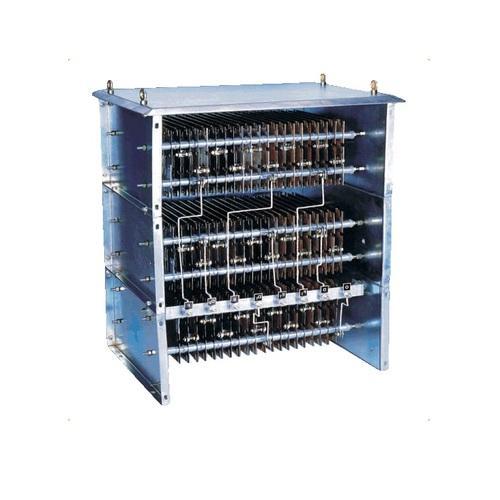
Resistive: Most common; uses resistors to create unity PF loads (like lights), ideal for testing generator capacity and engine systems.
Inductive: Simulates motor/transformer loads (lagging PF), good for evaluating performance with non-linear systems.
Capacitive: Creates leading PF loads, mimicking IT/computer equipment.
DC: Used for testing battery banks and rectifiers.
Why Use Them (Benefits)
Prevent Wet Stacking: Runs the engine hot enough to burn off fuel/soot buildup in diesel generators.
Verify Performance: Confirms the generator can produce its rated power, not just start up.
Commissioning: Ensures new systems meet specifications.
Maintenance: Identifies problems early, preventing costly failures.
How They Work
Connect: The load bank is wired to the generator’s output.
Apply Load: Switches apply specific kW loads (e.g., 25%, 50%, 100%).
Dissipate Energy: Resistive elements turn electrical energy into heat, which is then fan-cooled.
Monitor: Built-in meters track performance.
Cool Down: After testing, the generator runs unloaded briefly before shutdown.


Reviews
There are no reviews yet.